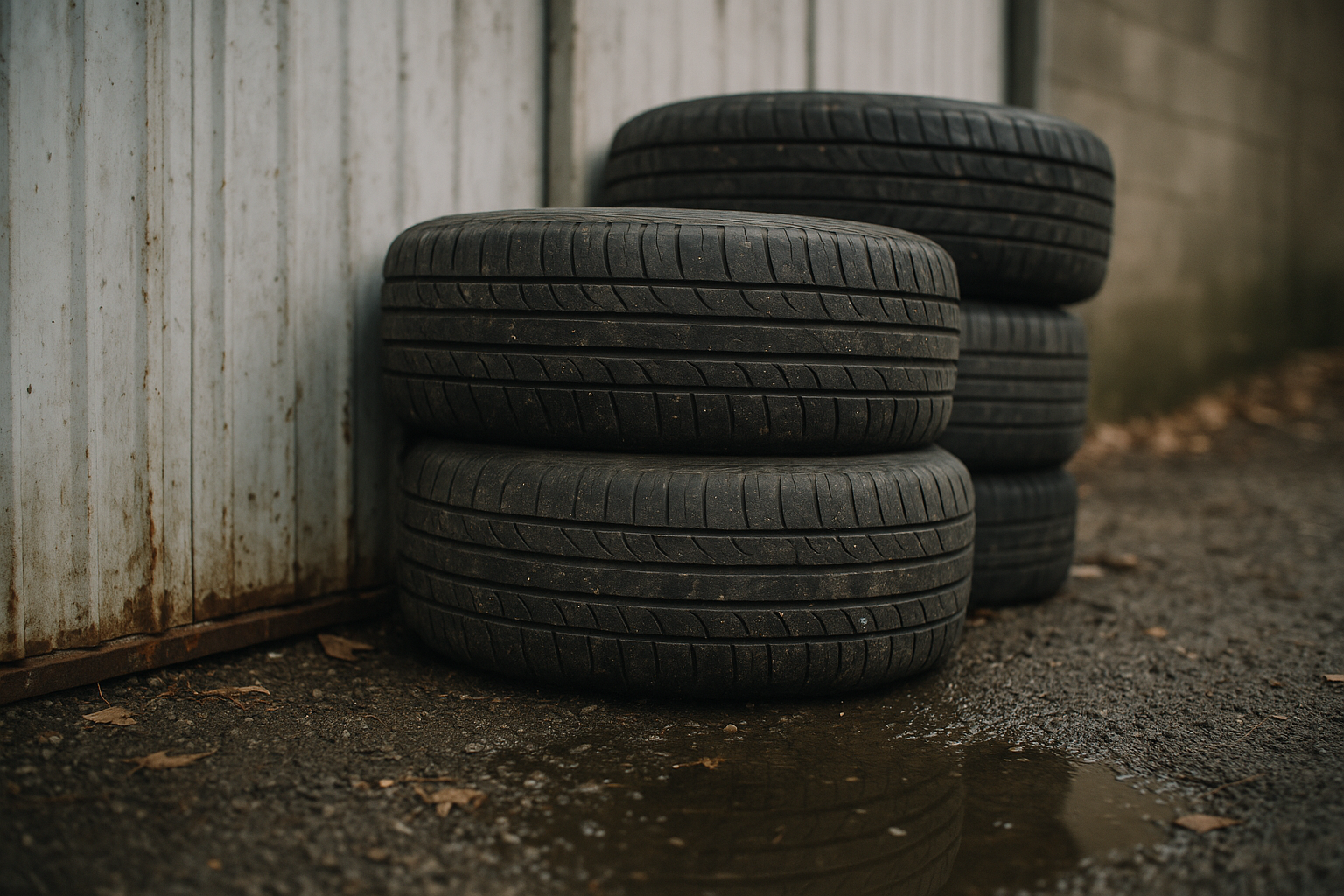
How to buy a good used tire
Outline and Why Used Tires Matter
– What you’ll learn: where to shop, how to inspect, how to read size and age codes, how to compare value, and how to maintain a used tire so it lasts.
– Sections at a glance: safety inspection, cost math, sourcing and questions to ask, and a final buyer’s checklist with decision rules.
– Goal: give you enough clarity to buy with confidence and avoid costly mistakes.
Used tires live at the crossroads of thrift and responsibility. Many still have thousands of safe miles left because an owner changed sizes, upgraded wheels, sold a vehicle, or replaced a full set due to uneven wear on just one axle. Picking a solid pre-owned tire can cut upfront spending by roughly 30–60% compared with a comparable new option, and it keeps serviceable rubber out of the waste stream. That said, value only exists when safety and fit are right. A careful buyer treats the sidewall like a résumé, the tread like a track record, and the seller’s answers like references.
Start with the basics of fitment. The size on your door jamb or owner’s manual is the reference; match width, aspect ratio, and rim diameter exactly. Load index and speed rating should meet or exceed your vehicle’s specification. If you drive a heavy SUV, tow, or carry full passenger loads, load index matters just as much as size. Mixing tread patterns or drastically different tread depths on the same axle can introduce handling quirks, so aim to buy pairs when possible.
Another reason used tires make sense: availability. Seasonal models and uncommon sizes can be hard to find new on short notice. Local shops and recyclers sometimes have a single, lightly worn tire that matches your set and can get you back on the road the same day. Finally, the environmental angle is practical, not just idealistic. Tires are energy-intensive to make; extending service life by even a few thousand miles spreads that footprint over more use. Think of it as giving sturdy rubber a second chapter rather than sending it straight to the epilogue.
Safety First: A Step-by-Step Inspection Checklist
Before any talk of price, confirm safety. Bring a tread depth gauge or use a coin as a rough check. In the United States, the legal minimum is 2/32 in (about 1.6 mm); many drivers prefer replacing at 4/32 in for wet braking and 5/32 in for snow. A simple rule: for mixed-weather driving, aim to buy used tires with at least 6/32–8/32 in remaining. Check several grooves across the tread and at multiple points around the circumference; uneven readings can signal alignment issues or past underinflation.
Scan wear patterns. Feathering on one edge hints at poor alignment. Center wear suggests past overinflation; shoulder wear points to underinflation. Cupping (scalloped dips) may indicate worn shocks or imbalance; expect more road noise if you see it. Minor, even wear across the tread is the friendliest sign. Run your palm lightly over the surface; rough, saw-tooth edges mean the tire might hum at speed.
Inspect for damage. Look for cuts, bulges, bubbles, exposed cords, or embedded objects. A sidewall bulge is a deal-breaker; so are deep cuts exposing body plies. Previous puncture repairs are acceptable only when done with a mushroom plug-patch from the inside, within the repairable tread area, and never in the shoulder or sidewall. Multiple repairs close together reduce integrity; walk away if you see a cluster of patches.
Read the DOT date code on the sidewall. The last four digits show week and year (for example, 2319 means week 23 of 2019). Many technicians suggest keeping passenger car tires under roughly six years for primary use, and under ten years as an absolute upper boundary when condition is pristine and use is limited. For a daily driver, younger is generally better; if the tire is older than your coffee grinder, pause and reassess.
Confirm structure and uniformity. Spin the tire on a balancer if possible and watch for out-of-round motion or wobbles. Check bead areas for tears or kinks that could prevent sealing. Note any uneven discoloration or a stiff, shiny surface—signs of age hardening—which can reduce grip in the wet. Finally, verify load index and speed rating meet your vehicle’s spec. Safety is a chain; the weakest link should never be your tires.
Price, Value, and Lifespan: Doing the Math on Used vs. New
Think in terms of cost per remaining mile, not just sticker price. Suppose a comparable new tire costs $160 and starts around 10/32 in of tread. If a used tire is listed for $60 with 7/32 in left, you’re buying roughly 70% of the original tread depth for about 38% of the new price—a compelling ratio. But the headline number needs context: age, prior repairs, storage conditions, and wear pattern all influence how much of that tread is truly usable.
Estimate remaining miles. A rough heuristic is that many all-season treads lose around 1/32–2/32 in per 5,000–8,000 miles, depending on alignment, rotation habits, vehicle weight, and driving style. If the tire has 6/32 in left and you plan to replace at 3/32–4/32 in for wet safety, you might expect about 5,000–15,000 miles of service. City heat cycles, aggressive cornering, and uneven inflation can shrink that window; careful maintenance can stretch it.
Compare scenarios:
– Single replacement: If you suffered one roadside failure on a budget, a safe used match can restore a set’s balance and postpone a full four-tire purchase.
– Pair strategy: Buying two used tires with similar depth for one axle can be cost-effective, especially if your other axle is still healthy.
– Short-term ownership: Selling the car within months? A serviceable used tire can keep costs sensible without paying for tread life you won’t use.
Consider hidden costs. Installation, valve stems, balancing, and disposal often add $20–$40 per tire, sometimes more. A shop inspection fee is money well spent if it prevents a bad buy. If the used tire needs immediate rotation or alignment correction to wear evenly, add that to your budget; an alignment commonly runs $80–$140 in many markets. Also weigh noise comfort; some uneven wear patterns drone at highway speeds, which can matter on long commutes.
What about retreads? They are widely used in commercial fleets and must meet defined standards in regulated markets. For passenger cars, availability varies by region. When offered by a reputable source and installed correctly, they can be a frugal, lower-waste option for certain use cases. As with any tire, inspect carefully, verify ratings, and match to your driving demands. Value emerges when price, condition, and intended use line up like marks on a well-balanced wheel.
Where to Buy and What to Ask: Shops, Online Listings, and Yards
Good sources come in a few flavors, each with trade-offs. Independent tire shops often keep a curated rack of take-offs inspected by a technician; prices may be a bit higher, but you get quicker mounting, balancing, and a simple return conversation if something feels off. Automotive recyclers and salvage yards can be treasure troves; selection is wide, prices are low, and you can hunt for matching pairs. Online listings offer convenience, but factor in shipping and the challenge of verifying condition from photos alone.
Questions to ask every seller:
– Tread depth at multiple points, not just the deepest groove.
– Exact DOT date code and whether the tire was stored indoors away from heat and sun.
– Any past punctures or patches, and where they’re located on the tread.
– Load index and speed rating, and whether they match your vehicle’s door-jamb spec.
– Return policy or short grace period after installation if imbalance or vibration appears.
Evaluate photos with a critical eye. Look for close-ups of tread blocks, shoulders, and the full sidewall. Avoid listings that only show a flattering angle. If you see grime embedded in cracks or a glossy, hardened look, that can indicate age or ozone exposure. Ask for a video of the tire spinning on a balancer; subtle hops and side-to-side wiggles are easier to catch in motion. When buying in person, roll the tire slowly and sight it like a carpenter checks a straight board; obvious flat spots or deformation are red flags.
Negotiation is normal. Bring a small gauge to verify claimed depth. If the tire is older than you’re comfortable with or has a clean interior patch, ask for a modest discount. Bundle pricing for pairs can be favorable, and some shops include balancing or a limited road-test window. Installation matters too: a careful bead clean, correct torque on lugs, and a quick road-force balance can turn a good used tire into a smooth, confidence-inspiring ride. As you leave, schedule an alignment check if your old tire wore unevenly; protecting your purchase starts the moment it meets the pavement.
Putting It All Together: Buyer’s Checklist and Final Thoughts
Think of the buying process as a simple flowchart you can follow without second-guessing. Begin with fitment: match size, load index, and speed rating to your vehicle’s placard. Next, confirm age with the DOT week-year code, aiming for under six years for primary daily use. Then, measure tread depth in at least three grooves around the circumference; target 6/32–8/32 in if you want meaningful service life. Scan for even wear, check for proper professional repairs only in the tread area, and reject any sidewall damage on sight.
Here’s a practical checklist you can screenshot before you shop:
– Fitment: exact size match; load and speed ratings meet or exceed your spec.
– Age: DOT code verified; stored indoors away from heat and sunlight.
– Tread: 6/32–8/32 in ideal for daily use; even readings across the width.
– Condition: no bulges, deep cuts, exposed cords, or shoulder/sidewall repairs.
– History: ask about repairs; accept only proper plug-patch from inside, in repairable area.
– Test: spin on a balancer when possible; check for out-of-round or wobbles.
– Paperwork: clarify return window; get mounting, balancing, and valve stems in writing.
After installation, protect your investment. Set pressure to your vehicle’s specification, not the sidewall maximum. Recheck pressures monthly and before long trips; underinflation is a quiet tread killer. Rotate tires on schedule—often every 5,000–7,500 miles—to even out wear, and book an alignment if you notice pull, off-center steering, or fresh edge wear. Gentle driving habits extend life too: smooth starts, measured braking, and taking it easy over potholes help any tire last longer. If you store seasonal tires, keep them clean, bagged, and in a cool, dark spot, stacked flat for non-run-flats or upright on racks to prevent deformation.
Conclusion for practical buyers: a good used tire is not a gamble when you follow a structured process. You’re trading a lower price for a bit more diligence, and that trade can be very favorable. Verify fit, inspect with purpose, ask clear questions, and run the quick value math before paying. Do those few things, and you’ll roll away with safe rubber, a calmer budget, and the quiet satisfaction of squeezing more miles from the resources already on the road.


